
Sleep
Acupuncture for insomnia, with Dr. Peter Caron.
Most people I see for insomnia have tried sleep hygiene and a supplement or two. The problem is usually a body that won’t switch off at night, and that is what I treat.
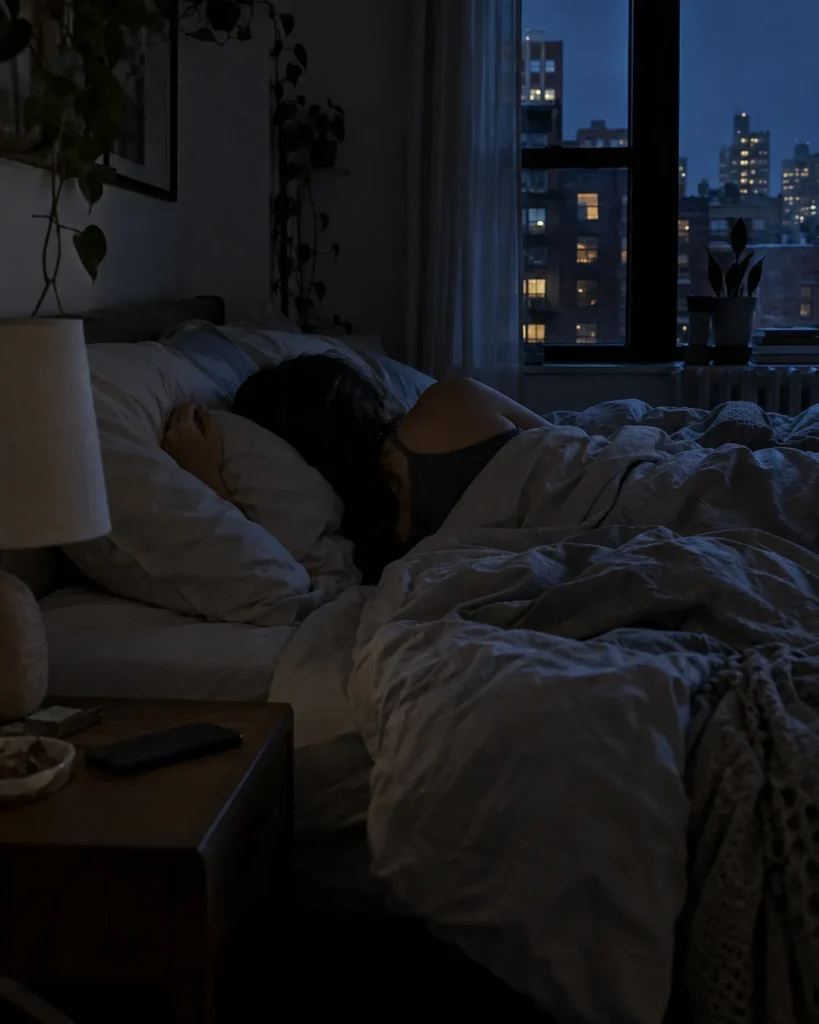
Why it hasn’t gotten better
Exhausted all day, awake at night.
Some people lie awake because their mind won’t switch off. Others fall asleep fine, then wake at three or four. These are different patterns, and I treat them differently.
Either way, your body is on alert when it should be winding down. You can be exhausted and still not drift off. After months of bad nights, the bed starts to feel like the place where you lie awake.
When to see a physician first
Loud snoring, gasping, or waking unrefreshed can point to sleep apnea. That needs a physician and a sleep study. An urge to move your legs in the evening can be restless legs syndrome, which a physician should check. For long-term insomnia, CBT-I is the first recommended treatment, and I’m happy to work alongside it.
What it feels like
What people describe when they first call.
- Lying awake for an hour or more because your mind won’t switch off
- Falling asleep fine, then waking at three or four and not getting back down
- Exhausted all day and wide awake once your head hits the pillow
- Light, broken sleep that leaves you unrefreshed in the morning
- Dreading bedtime because you expect another bad night
- Relying on a pill, melatonin, or a glass of wine to get to sleep
If you recognized yourself in that list, the free 15-minute call is the place to start.
How I treat it
I treat the state you go to bed in.
Acupuncture
Acupuncture settles a nervous system that stays on alert at night, which helps you fall asleep and stay asleep.
Treatment shifts your nervous system out of its braced state. Most people feel it happen on the table, and many fall asleep. I often add light electrical stimulation, as in the trial on this page.
- Autonomic downregulation
- Electroacupuncture
Herbal medicine
An herbal formula you take daily helps your sleep improve and hold between visits.
I match an herbal formula to your pattern, and you take it daily. Waking at three gets a different formula from trouble falling asleep.
- Herbal formula
- Sleep support
Most people notice a change within a visit or two, usually in how fast they fall asleep.
Fifteen minutes on the phone is usually enough to tell whether I can help.

Your first visit
What happens the first time you come in.
- We go through your nights When you go to bed, how long it takes to fall asleep, when you wake, and what you’ve tried, including any sleep medication.
- I work out which pattern I’m treating Trouble falling asleep and waking early are treated differently. I also check your pulse and the tension in your neck and shoulders.
- You’re treated the same day Fine needles, often with light electrical stimulation. Most people feel their breathing slow on the table, and many fall asleep.
- You leave with a plan Roughly how many visits it should take, whether an herbal formula makes sense, and what to note in a sleep diary between visits.
What to expect
How it usually goes, visit by visit.
A simple sleep diary shows us both whether the change is holding.
- Visits 1–2 Notice how quickly you fall asleep and whether you wake in the night. Write it down so we can compare.
- Visits 3–6 Good nights come more often, and the change holds longer between visits.
- After that We space visits out and watch whether it holds. In the trial on this page, the improvement in sleep was still there six months after treatment ended.
Typical ranges, not promises. Results vary from person to person.
You’ll know at the first visit roughly how many visits it should take.
What the research shows
In patients with depression and insomnia, electroacupuncture improved sleep more than sham treatment, and the gain lasted six months.
A 2022 trial in JAMA Network Open studied 270 adults with depression and insomnia. They had eight weeks of real or sham electroacupuncture, or standard care alone. Sleep improved significantly more with electroacupuncture. Total sleep time rose about half an hour, and the gain held six months after treatment ended.
Questions
What people ask about insomnia.
Something not covered here? Ask on the free discovery call.
Usually the opposite. After a moment’s dull ache, most people feel their breathing slow. Many people with insomnia fall asleep on the table.
Most people notice a change within the first visit or two, usually in how fast they fall asleep. I’ll give you a number of visits at the first one.
No. Keep taking it as prescribed. Some people need it less as their sleep improves. Any change is a decision for you and your prescriber.
Yes. Lying awake with a busy mind and waking early are different patterns. Each changes where I place the needles and what goes into the herbal formula. Tell me on the call which one you have.
Yes. CBT-I is the recommended first treatment for long-term insomnia, and the two fit together. CBT-I changes your habits around sleep, and acupuncture works on a body that won’t switch off.
Yes. Night sweats and early waking are common reasons women come to me, and I treat them together.
The trial on this page is large and sham-controlled, but everyone in it also had depression. Trials in insomnia alone are smaller and mixed, so I won’t promise a result. If your sleep hasn’t moved by the third visit, I’ll say so.
Possibly, through your out-of-network benefits. We don’t bill insurers, but after each visit we send a superbill you can submit. Ask your plan before your first visit.
If your question isn’t here, ask it on the call. It’s free and takes fifteen minutes.

Related conditions
Often treated alongside this one.

Anxiety & depression
For a body that stays braced when nothing is wrong.
Headaches
For a band of pressure that builds through the afternoon.

Perimenopause & menopause
For hot flashes and night sweats that break up your sleep.
Start here
Tell me what your nights look like.
Describe when you fall asleep and when you wake. In a few minutes you’ll know whether acupuncture is likely to help, or whether a physician should look first.
If you already know you want to come in, book an initial visit.